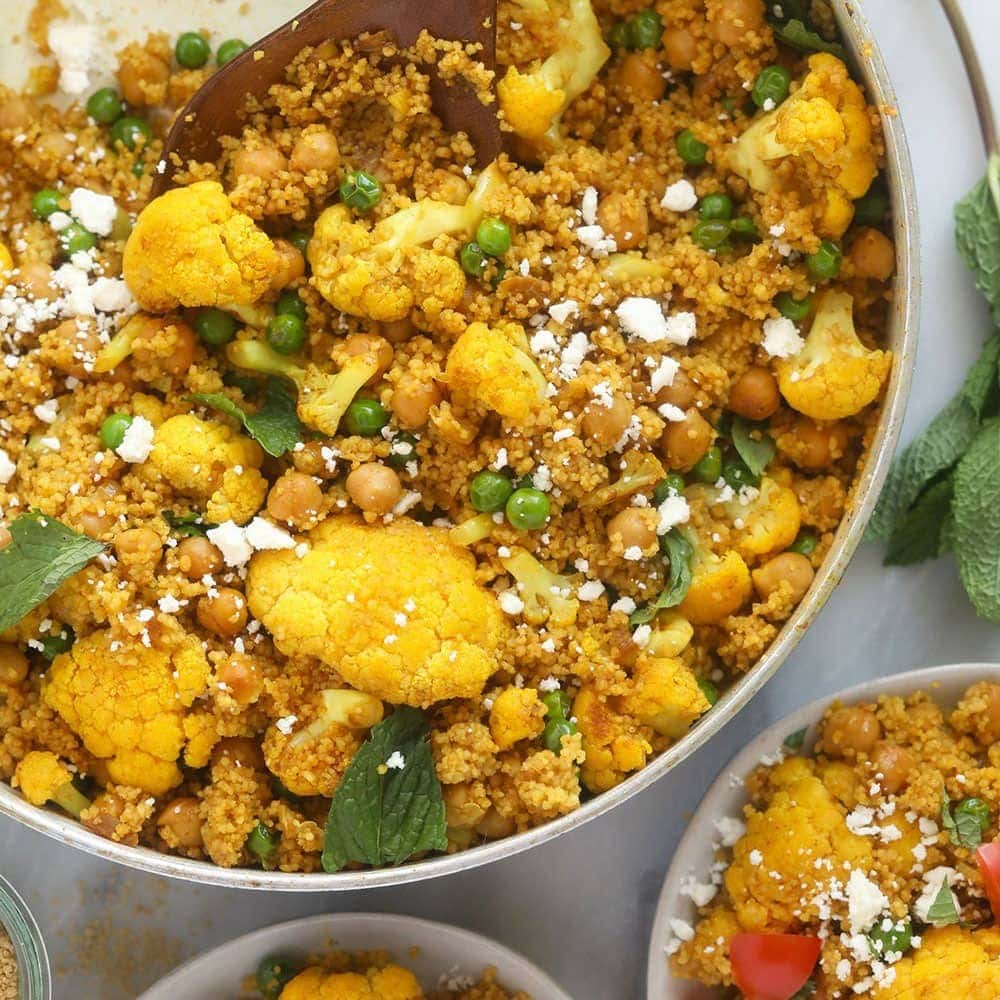
Nourish Your Body with Easy Anti-Inflammatory Moroccan Chickpea Couscous
Imagine a dish that’s bursting with vibrant flavors, incredibly satisfying, and simultaneously a powerful ally for your health. Look no further than this delightful
Moroccan chickpea couscous. More than just a meal, it's a culinary journey to North Africa, infused with warm spices and packed with ingredients renowned for their anti-inflammatory properties. This recipe offers a fantastic way to enjoy a wholesome, vegetarian, and deeply flavorful dish that can even be prepared ahead of time, making healthy eating both convenient and delicious. Forget bland health food; this is soul-stirring comfort with a wellness boost!
This comprehensive guide will walk you through creating an unforgettable Moroccan chickpea couscous skillet, delving into its incredible ingredients, the magic of a homemade spice blend, step-by-step preparation, and even clever tips for meal prepping and enhancing your culinary creation.
The Heart of the Flavor: Anti-Inflammatory Ingredients
What makes this
Moroccan chickpea couscous truly special is its meticulously curated list of ingredients, each contributing not just to taste but also to profound health benefits. This isn't just a collection of pantry staples; it's an arsenal of natural goodness designed to combat inflammation and nourish your body from the inside out.
Let's break down some of the star players:
*
Turmeric: Often hailed as the "golden spice," turmeric is perhaps the most famous anti-inflammatory ingredient here. Its active compound, curcumin, is a potent antioxidant and anti-inflammatory agent, studied extensively for its role in reducing inflammation and supporting overall wellness. Its earthy, slightly bitter notes are quintessential to Moroccan cuisine.
*
Garlic & Onion: These aromatic powerhouses do more than just build a flavor base. Both garlic and onion contain organosulfur compounds, which have been linked to anti-inflammatory and immune-boosting effects. They create a fragrant foundation that elevates every other ingredient in the skillet.
*
Cauliflower: This versatile cruciferous vegetable is a fantastic source of antioxidants and sulforaphane, a compound known for its anti-inflammatory and detoxifying properties. It adds a wonderful texture and absorbs the rich flavors of the spices beautifully.
*
Garbanzo Beans (Chickpeas): The cornerstone of this vegetarian dish, chickpeas are not only an excellent source of plant-based protein and dietary fiber but also contain compounds that can help reduce inflammation. Their creamy texture and nutty flavor make them incredibly satisfying.
*
Vegetable Broth: Providing the liquid base, a good quality vegetable broth adds depth of flavor without unnecessary additives, ensuring the dish remains light and healthy.
These ingredients, combined with the other fresh components and the aromatic spice blend, transform a simple skillet meal into a vibrant, health-conscious feast.
Crafting Your Own Moroccan Spice Blend: A Flavor Journey
While store-bought spice blends exist, there's an undeniable magic in creating your own. A homemade Moroccan spice blend is the secret weapon behind the authentic, deep flavors of this
Moroccan chickpea couscous. The beauty is, you likely already have most of these spices lurking in your pantry, making it surprisingly accessible.
Here’s what typically goes into this essential blend:
*
Cumin: Earthy and warm, a fundamental spice in Moroccan cuisine.
*
Turmeric: For its vibrant color and incredible anti-inflammatory properties.
*
Ginger Powder: Adds a sweet, peppery warmth and digestive benefits.
*
Garlic Powder: Complements the fresh garlic, adding depth.
*
Chili Powder: Offers a mild, smoky heat.
*
Cayenne Pepper: For an optional kick, adjust to your preferred spice level.
*
Salt: Essential for balancing and enhancing all the flavors.
When you blend these seven spices, you'll yield approximately 3 tablespoons of rich, aromatic seasoning. Our
Moroccan chickpea couscous recipe typically calls for 2 tablespoons, leaving you with a little extra to experiment with other dishes or to sprinkle on roasted vegetables. The process of making your own blend ensures freshness and allows for customization – perhaps a bit more ginger for a brighter note, or a touch more cayenne for a fiery finish. For an even deeper dive into mastering this aromatic concoction, including tips for sourcing and storage, check out our guide on
Homemade Moroccan Spice Blend for Chickpea Couscous.
Step-by-Step to a Skillet Masterpiece: Making Moroccan Chickpea Couscous
Despite its sophisticated flavor profile and nutrient-rich ingredient list, preparing this vegetarian skillet meal is surprisingly straightforward and far from finicky. The secret lies in building layers of flavor with simple, sequential steps.
1.
Sauté the Aromatics and Veggies: Begin by heating a good glug of olive oil in a large, deep nonstick skillet over medium-high heat. A 16-inch skillet is ideal for accommodating all the ingredients, but any large, deep pan will suffice. Once the olive oil is shimmering and fragrant, add the chopped onion and fresh minced garlic. Sauté for 2-3 minutes until they become translucent and fragrant – this is the crucial flavor base. Next, introduce the cauliflower florets, thawed peas, drained garbanzo beans, and your incredible homemade Moroccan seasoning. Continue to sauté for an additional 5-7 minutes, stirring consistently. This step allows the vegetables to soften slightly and soak up the vibrant spices. Keep the heat steady at medium-high to ensure a good sear without burning.
2.
Introduce Couscous and Broth: Once your veggies are beautifully spiced and tender-crisp, add the dry couscous directly into the skillet. Mix it thoroughly with the vegetables and spices, ensuring every grain is coated. Then, pour in the vegetable broth, stirring gently to combine everything before bringing the mixture to a rolling boil.
3.
The Steaming Magic: As soon as the broth reaches a vigorous boil, immediately remove the entire skillet from the heat. This is a critical step! Cover the skillet tightly with a lid and let it sit undisturbed for precisely 5 minutes. During this time, the hot broth will be fully absorbed by the couscous, cooking it to tender perfection while simultaneously steaming the vegetables to a sublime texture. Resisting the urge to peek is key!
4.
Uncover and Fluff: After 5 minutes, uncover your skillet. You’ll be greeted by a fragrant, colorful medley. Take a fork and gently fluff the couscous, incorporating all the vegetables and spices evenly. This not only separates the grains but also ensures all the flavors are harmoniously distributed throughout the dish.
And just like that, your easy anti-inflammatory
Moroccan chickpea couscous is ready to be savored!
Elevating Your Dish: Toppings and Meal Prep Secrets
While delicious on its own, a few simple additions can truly elevate your
Moroccan chickpea couscous, adding layers of texture and bursts of fresh flavor. These optional toppings are best added right before serving to maintain their integrity.
*
Crumbled Feta: For a tangy, salty counterpoint to the warm spices, crumbled feta is an excellent choice. Its creamy, briny notes beautifully enhance the overall profile. If you're adhering to a dairy-free diet, a good quality crumbled vegan cheese will work wonders as a substitute.
*
Fresh Mint: This is a non-negotiable for many aficionados of Moroccan cuisine. Finely chopped fresh mint adds an invigorating, bright, and slightly cooling finish that perfectly balances the rich, earthy spices. Look for fresh mint in the produce section of your grocery store and chop it just before serving for maximum impact.
*
Orange Zest or a Squeeze of Lemon: A little citrus brightens the entire dish, adding a lovely aromatic lift and a touch of acidity that cuts through the richness.
Meal Prep and Freezer-Friendly Tips:
One of the most appealing aspects of this
Moroccan chickpea couscous is its incredible versatility for meal prepping. It’s a dream for busy individuals or families looking for healthy, homemade options throughout the week.
*
Cool Completely: Before storing, ensure the couscous skillet has cooled completely to room temperature. This prevents condensation and keeps the texture optimal.
*
Individual Portions: Divide the cooled couscous into airtight containers. This makes grabbing a healthy lunch or dinner incredibly convenient.
*
Toppings Separate: If you plan to add feta or mint, keep them in separate small containers or bags and add them just before reheating and serving. This preserves their freshness and texture.
*
Reheating: To reheat, simply microwave individual portions for 2-3 minutes, stirring halfway, or gently warm in a skillet on the stovetop with a splash of water or broth to prevent drying out.
*
Freezing for Later: This dish is remarkably freezer-friendly! Once cooled, transfer portions to freezer-safe containers or bags, ensuring as much air as possible is removed. It can be frozen for up to 3 months. When ready to enjoy, thaw overnight in the refrigerator and then reheat as usual. For comprehensive advice on maximizing your meal prep efficiency and making the most of this recipe's freezer-friendly nature, explore our guide on
Freezer-Friendly Moroccan Chickpea Couscous Meal Prep.
Embrace the Flavorful Wellness Journey
This easy anti-inflammatory
Moroccan chickpea couscous isn't just a recipe; it's an invitation to explore the rich, vibrant world of North African flavors while simultaneously nourishing your body. It stands as a testament that healthy eating can be both profoundly delicious and incredibly satisfying. Whether you're a seasoned chef or a kitchen novice, the straightforward steps and robust flavors will inspire confidence and culinary delight. So gather your spices, embrace the wholesome ingredients, and prepare to embark on a delightful and healthful culinary adventure that promises flavor in every single bite.